Expert Tips for Excelling as a Real Estate Transaction Coordinator
BI
Understanding the Role of a Real Estate Transaction Coordinator
As a real estate transaction coordinator, your role is crucial in ensuring that property transactions proceed smoothly. You are the bridge between real estate agents, clients, and other stakeholders, ensuring that all paperwork is completed accurately and on time. Your organizational skills and attention to detail can make or break a transaction.
To excel in this role, it's essential to comprehend the entire process from listing to closing. Familiarize yourself with the necessary documentation, timelines, and compliance requirements. Understanding the intricacies of each step will equip you to manage transactions effectively.

Mastering Communication Skills
Effective communication is at the heart of a successful transaction. As a transaction coordinator, you will interact with various parties, including buyers, sellers, agents, and lenders. Clear and timely communication helps in avoiding misunderstandings and keeping everyone informed about the transaction's progress.
Utilize tools like email templates and scheduling software to streamline communication. Regular updates and reminders can prevent last-minute hiccups and ensure that all parties are aligned throughout the process.

Utilizing Technology for Efficiency
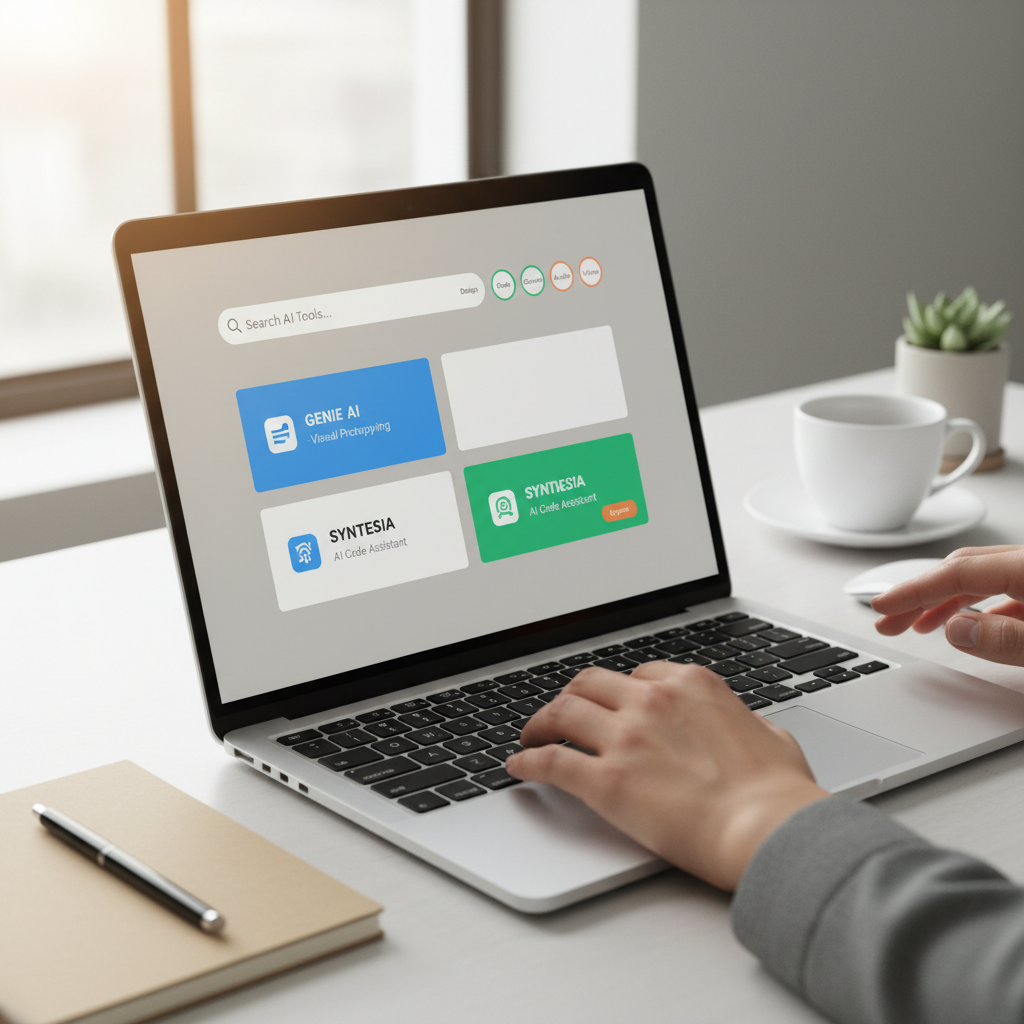
In today's digital age, technology is your ally. Use transaction management software to organize documents, set reminders, and track deadlines. These tools can significantly reduce the chances of errors and improve your efficiency.
Stay updated with the latest software trends and consider investing time in learning new platforms. A tech-savvy transaction coordinator can handle more transactions simultaneously, leading to increased productivity and client satisfaction.
Building Strong Relationships
Building and maintaining strong relationships with agents, clients, and vendors is vital. Positive relationships lead to smoother transactions and repeat business. Be approachable and responsive to queries, and always strive to provide excellent customer service.
Networking within the real estate community can also open doors to new opportunities. Attend industry events, join real estate groups, and engage with peers to expand your professional network.

Prioritizing Time Management
With multiple transactions often occurring simultaneously, time management is crucial. Prioritize tasks based on deadlines and importance. Consider using a digital calendar and task management apps to keep track of your responsibilities.
Effective time management not only reduces stress but also enhances your ability to deliver exceptional service to clients and stakeholders.

Continuous Learning and Development
The real estate industry is dynamic, with regulations and market conditions constantly evolving. Stay informed about industry changes through continuous learning. Attend workshops, webinars, and courses to update your knowledge and skills.
Being proactive about professional development ensures that you remain a valuable asset in the real estate transaction process.